Autumn Garden: Strategic Typography for Playful, High-Impact Design
In the landscape of digital and print design, typography is rarely just about readability; it is a primary vehicle for tone, brand personality, and emotional resonance. When selecting a typeface, professionals often face a binary choice: stick to safe, neutral sans-serifs or take a risk with expressive display fonts. Autumn Garden occupies a distinct middle ground. It is not merely decorative; it is a cool and playful display font that offers a specific psychological advantage for projects requiring warmth, approachability, and creativity.
For entrepreneurs, educators, and creative directors, choosing the right font is a strategic decision that influences user engagement and brand perception. Autumn Garden serves as a powerful tool when deployed with intention. Whether you are designing materials for children’s games, crafting cartoon-related content, or simply adding a lovely touch to a personal blog, understanding how to leverage this typeface can elevate your communication strategy from generic to memorable.
The Psychology of Playful Typography
Before diving into the technical specifications of Autumn Garden, it is essential to understand why "playful" is a strategic asset in modern design. In an era where attention spans are fragmented, visuals that convey joy, curiosity, and ease of use stand out. A playful font signals to the audience that the content is accessible, friendly, and perhaps even interactive. This is particularly relevant for:
- Educational Content: Learning environments benefit from visual cues that reduce anxiety and encourage exploration.
- Child-Centric Products: Games, toys, and books require immediate visual engagement to capture young audiences.
- Lifestyle Brands: Brands aiming to appear human-centric rather than corporate often rely on softer, more organic typographic forms.
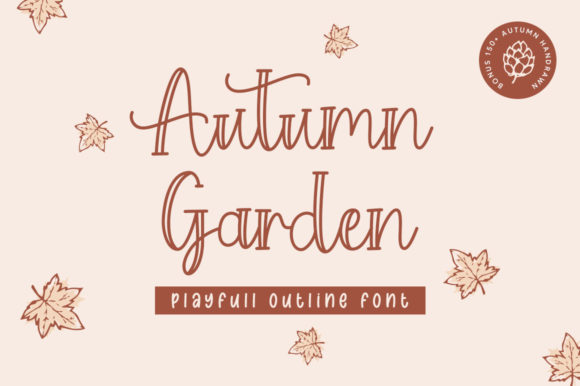
Autumn Garden embodies these qualities. Its name suggests organic growth, warmth, and natural beauty, which is reflected in its letterforms. The font avoids the rigid geometry of standard sans-serifs, opting instead for curves and quirks that feel hand-crafted yet polished. This makes it an amazing choice for creations that require a lovely touch without sacrificing legibility entirely.
Strategic Use Cases for Autumn Garden
To maximize the return on investment for your design efforts, consider where Autumn Garden fits within your broader operational and branding goals. It is not a universal solution, but a specialized tool for specific contexts.
Children’s Games and Interactive Media
In the realm of children’s entertainment, clarity and charm must coexist. Autumn Garden’s playful nature aligns perfectly with the cognitive preferences of younger users. The letters are distinct enough to be recognized quickly, yet whimsical enough to maintain interest. For game developers or app designers targeting early education, using Autumn Garden for titles, instructions, or reward messages can enhance the user experience by making the interface feel like a friend rather than a system.
Cartoon-Related Designs and Storytelling
Narrative-driven designs benefit significantly from typography that carries character. If you are creating comic strips, animated series assets, or illustrated stories, Autumn Garden provides a consistent visual voice. It complements illustration styles that are soft, rounded, or hand-drawn. By pairing this font with vibrant colors, you create a cohesive aesthetic that reinforces the story’s tone. This consistency builds brand recognition over time, whether the content is consumed on a tablet, printed book, or social media platform.
Personal Branding and Creative Portfolios
For freelancers, bloggers, and hobbyists, standing out in a crowded digital space is a constant challenge. Using Autumn Garden in headers, logos, or introductory sections can differentiate your work from competitors who rely on default system fonts. It signals creativity and attention to detail. However, this usage requires restraint. The font should highlight your unique voice, not overshadow your actual content.
Implementation Guidelines: Planning and Positioning
Using Autumn Garden effectively requires a deliberate approach. Random application can lead to visual clutter and reduced professionalism. Follow these planning tips to ensure the font supports your goals rather than hindering them.
- Define the Hierarchy: Treat Autumn Garden as a display font, primarily for headlines, titles, and short phrases. Avoid using it for body text. Long passages set in this font will fatigue the reader and obscure your message. Reserve standard, highly readable sans-serif or serif fonts for paragraphs to ensure accessibility and comprehension.
- Control the Volume: Less is more. Use Autumn Garden sparingly to create focal points. If every element on a page uses this font, the impact is diluted. Let it shine in key areas such as event banners, product packaging labels, or newsletter subject lines.
- Consider Color Pairing: The effectiveness of Autumn Garden is amplified by thoughtful color choices. Earthy tones, pastels, and warm accents complement its "garden" aesthetic. Conversely, high-contrast neon colors might clash with its organic feel. Align your palette with the emotional response you wish to evoke.
- Test Across Devices: Display fonts can behave differently on various screen sizes and resolutions. Before finalizing any design, test how Autumn Garden renders on mobile devices, tablets, and desktop screens. Ensure that the playful details remain visible and do not become pixelated or illegible at smaller sizes.
Risks and Considerations in Decision-Making
No design choice is without potential downsides. Understanding the limitations of Autumn Garden is crucial for avoiding common pitfalls. Misalignment between the font’s personality and your project’s context can damage credibility.
Inappropriate Contexts: Autumn Garden is ill-suited for formal, legal, or highly technical documents. Using it in financial reports, medical instructions, or corporate policy manuals can undermine authority and clarity. In these scenarios, precision and neutrality are paramount. Relying on a playful font here would signal a lack of seriousness, potentially confusing stakeholders or eroding trust.
Overuse and Fatigue: Even in appropriate contexts, overusing Autumn Garden can lead to visual fatigue. If a website header, button, footer, and sidebar all feature this font, the design may feel chaotic and unprofessional. Maintain a balanced typographic scale. Use Autumn Garden to break monotony, not to dominate the entire layout.
Licensing and Legal Compliance: As with any commercial typeface, ensure you have the proper licensing for your intended use. Whether you are a small business owner launching a new product line or a publisher releasing a digital ebook, verify that your license covers web embedding, print runs, or merchandise production. Ignoring licensing agreements can lead to costly legal issues that distract from your core business objectives.
Enhancing Customer Experience Through Intentional Design
Customer experience (CX) extends beyond functionality; it includes the emotional journey a user has with your brand. Typography plays a subtle but significant role in this journey. When a user encounters Autumn Garden, they subconsciously register feelings of warmth and playfulness. This positive emotional association can increase dwell time, encourage sharing, and foster loyalty.
For example, a bakery using Autumn Garden on its menu board creates an inviting atmosphere that complements the sensory experience of food. An educational app using the same font for its progress badges makes achievement feel rewarding and fun. In both cases, the font acts as a bridge between the functional aspect of the product and the emotional desire for connection.
To achieve these results, integrate Autumn Garden into your broader content strategy. Coordinate it with imagery, tone of voice, and customer service interactions. Consistency across all touchpoints reinforces the brand identity and makes the experience feel cohesive and professional.
Long-Term Value and Adaptability
Investing in a strong typographic identity pays dividends over time. While trends come and go, well-chosen fonts that align with your brand values tend to endure. Autumn Garden’s versatility allows it to adapt to seasonal campaigns, product launches, and rebranding efforts. Its cool and playful nature ensures it remains relevant in markets that value authenticity and human connection.
As you plan for the future, consider how Autumn Garden can evolve with your organization. Can it be paired with complementary fonts to create a versatile typographic system? Can it be used to launch new sub-brands or targeted marketing campaigns? By thinking strategically about typography, you build a foundation for clear, effective, and engaging communication that supports long-term growth.
Conclusion
Autumn Garden is more than just a font; it is a strategic asset for designers, marketers, and creators who want to infuse their work with personality and warmth. Its cool and playful characteristics make it ideal for cartoon-related designs, children’s games, and any creation requiring a lovely touch. However, its power lies in intentional use. By understanding its strengths, respecting its limitations, and integrating it thoughtfully into your broader design and communication strategies, you can achieve better results and stronger connections with your audience.
Remember, good design is not about decoration; it is about solving problems and facilitating understanding. Let Autumn Garden help you solve the problem of blandness, one playful letterform at a time.