Monopop: Why This Playful Display Font Might Be the Missing Piece in Your Design
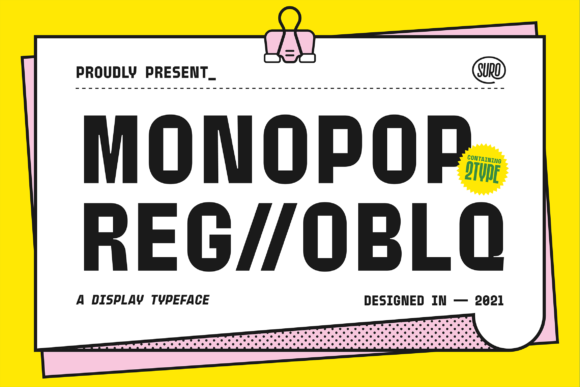
When you are looking for a typeface that immediately grabs attention without screaming for it, Monopop often surfaces as a compelling choice. It is not just another sans-serif; it is a display font with a distinct personality—fun, playful, and undeniably cool. If you are a small business owner, a hobbyist crafter, or a marketer trying to inject some life into your brand identity, understanding the nuances of this font can save you from common design pitfalls.
Many designers reach for Monopop because of its unique original look. However, simply downloading a font and slapping it on a document does not guarantee success. There is a fine line between "playful" and "unprofessional," and knowing where that line lies is crucial for anyone aiming for high-quality results. Let’s explore what makes Monopop special, where people typically go wrong when using it, and how to leverage its strengths effectively.
Understanding the Appeal of Monopop
Monopop stands out because it breaks away from the rigid geometry of standard corporate fonts. Its curves are softer, its proportions are slightly exaggerated, and it carries a sense of whimsy that resonates well with creative industries. Whether you are designing letterheads for a boutique stationery shop, creating titles for a blog post, or crafting custom stationery for a wedding, Monopop offers a visual warmth that traditional fonts often lack.
The font’s versatility allows it to bridge the gap between serious branding and casual creativity. For entrepreneurs launching a lifestyle brand, educators creating engaging classroom materials, or freelancers wanting to stand out in a crowded marketplace, Monopop provides an instant hook. It signals approachability and fun, which are essential traits for connecting with audiences aged 20 to 50 who value authenticity and aesthetic charm.
Common Mistakes When Using Display Fonts
Even the most talented designers can stumble when working with character-rich typefaces like Monopop. The very features that make it attractive can also lead to readability issues if not handled correctly. Here are some frequent errors to avoid.
Overusing Bold Weights for Body Text
One of the most critical mistakes is treating a display font as a body text font. Monopop is designed for impact, not endurance. Using it for long paragraphs of text will fatigue your reader’s eyes and dilute the font’s unique character. Display fonts thrive in short bursts—titles, headers, quotes, and labels. When you force them into dense blocks of text, you lose the elegance and clarity of your message.
Better Approach: Use Monopop for headlines and key phrases, but pair it with a clean, neutral sans-serif or serif font for the main content. This contrast creates a hierarchy that guides the reader’s eye naturally through your material.
Neglecting Spacing and Kerning
Because Monopop has such distinctive shapes, the space between letters (kerning) becomes more important than with standard fonts. Tight spacing can cause the playful curves to collide, creating visual noise that confuses the viewer. Conversely, overly loose spacing can break the word apart, making it difficult to read at a glance.
Better Approach: Always check your kerning manually, especially in large sizes. Adjust the tracking to ensure that the negative space feels balanced. In digital designs, use tools that allow precise control over letter spacing to maintain the integrity of the font’s rhythm.
Mismatching Tone and Context
While Monopop is versatile, it is not suitable for every context. Using it for a legal contract, a medical report, or a formal financial statement can undermine your credibility. The playful nature of the font may signal a lack of seriousness, which can alienate clients who expect professionalism in those specific areas.
Better Approach: Align the font choice with your communication goals. If you are promoting a children’s toy store, a craft workshop, or a fun travel blog, Monopop is an excellent fit. For more somber or strictly professional topics, consider reserving Monopop for secondary elements like icons or decorative accents rather than primary text.
Evaluating Quality Before You Buy or Download
Not all versions of Monopop are created equal. Whether you are purchasing a license or downloading a free version, it is essential to evaluate the quality of the file before integrating it into your projects. Poorly crafted fonts can have inconsistent stroke widths, awkward anchor points, or missing glyphs that disrupt your workflow.
- Check Glyph Coverage: Ensure the font includes all the characters you need, such as punctuation marks, numbers, and special symbols. A limited glyph set can force you to switch fonts mid-project, leading to a disjointed look.
- Test Different Weights: If available, test various weights to see how they render on different backgrounds. Some fonts look great in black on white but fail miserably when inverted or placed on colored backgrounds.
- Verify Licensing Terms: Understand the usage rights. Some fonts are restricted to personal use only, while others allow commercial application. Ignoring these terms can lead to costly legal issues down the road.
Practical Applications for Maximum Impact
To get the most out of Monopop, think about where it can shine brightest. Here are a few realistic examples of how creators are successfully using this font.
- Custom Stationery: Hobbyists and small business owners are using Monopop to create personalized note cards, thank-you notes, and business cards. The playful yet polished look adds a personal touch that generic templates cannot match.
- Social Media Graphics: Marketers and bloggers are leveraging Monopop for eye-catching Instagram posts and Pinterest pins. Its bold presence stops the scroll, drawing attention to promotions, quotes, or announcements.
- Event Branding: For workshops, parties, or community events, Monopop helps set a welcoming tone. It works wonderfully on flyers, banners, and invitations, conveying excitement and inclusivity.
Final Thoughts on Making the Right Choice
Selecting the right font is about more than just aesthetics; it is about effective communication. Monopop offers a unique opportunity to infuse your designs with personality and flair. By avoiding common mistakes like overuse, poor spacing, and inappropriate context, you can harness its full potential.
Take the time to experiment with pairing Monopop with complementary fonts. Test it in various sizes and contexts. Most importantly, always prioritize readability and relevance. When used thoughtfully, Monopop can transform ordinary designs into memorable experiences, helping you connect better with your audience and elevate your brand’s visual identity.
Whether you are a seasoned pro or just starting your creative journey, keeping these guidelines in mind will help you make informed decisions. Remember, the goal is not just to use a cool font, but to use it wisely. With Monopop, you have a powerful tool at your disposal—use it to create something truly engaging and effective.