Monsterkill: Bold Typography for High-Impact Design
In a digital landscape saturated with subtle gradients and minimalist sans-serifs, standing out requires more than just good content. It demands visual authority. Monsterkill is not merely a typeface; it is a statement. Designed as a bold, robotic, and thick lettered display font, it brings an industrial weight to any project that needs to grab attention immediately. Whether you are designing a web interface, printing business cards, or crafting social media assets, this font offers a unique touch that cuts through the noise.
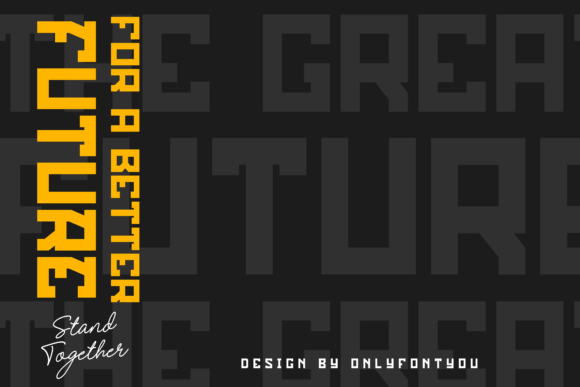
The appeal of Monsterkill lies in its aggressive geometry. The letters are constructed with heavy strokes and sharp angles, evoking the aesthetic of machinery, cybernetics, or futuristic infrastructure. This is not a font for body text or long-form reading. Instead, it serves as a powerful tool for headlines, logos, and short phrases where legibility at large sizes is paramount. For creators aged 20 to 50 who value efficiency and impact, understanding how to wield such a specialized typeface is key to elevating their design work from functional to memorable.
Understanding the Aesthetic of Monsterkill
To use Monsterkill effectively, one must first appreciate its structural DNA. The "robotic" descriptor is not just marketing flair; it refers to the uniformity and precision of the character shapes. There are no organic curves or soft serifs here. Every line is deliberate, every corner sharp. This creates a sense of stability and strength, qualities that are highly desirable in branding for tech companies, gaming studios, fitness brands, or industrial manufacturers.
The thickness of the letterforms ensures that they command space. When placed against a background, even a busy one, Monsterkill maintains its integrity. This makes it particularly useful for web designs where screen real estate is competitive. A headline set in Monsterkill will not get lost in a sea of smaller text or complex imagery. It acts as an anchor, drawing the eye directly to the core message. However, this dominance requires respect. Because the font is so visually heavy, it cannot be overused without overwhelming the viewer.
The Balance of Power and Readability
One of the most common mistakes designers make with display fonts like Monsterkill is assuming that bigger is always better. While the font is designed to be big, clarity remains the ultimate goal. The challenge lies in balancing the font's inherent aggression with the need for user-friendly navigation. For entrepreneurs and small business owners, this means using Monsterkill strategically rather than ubiquitously.
Consider the hierarchy of information. Use Monsterkill for the primary hook—the main title of a landing page, the name on a business card, or the header of a blog post. Then, pair it with a clean, neutral sans-serif or serif for supporting details. This contrast highlights the personality of Monsterkill while ensuring that the actual information (dates, prices, descriptions) remains easy to read. This approach respects the audience’s cognitive load, allowing them to process the emotional impact of the design before diving into the factual content.
Practical Applications Across Industries
The versatility of Monsterkill extends across various professional domains. Its ability to convey modernity and strength makes it suitable for a wide range of projects. Here are several practical ways to integrate this font into your workflow.
- Web Design and UI: Use Monsterkill for hero section headlines or call-to-action buttons. The thick strokes can double as visual borders or dividers, adding structure to the layout without requiring additional graphic elements. Ensure high contrast between the font color and the background to maintain accessibility standards.
- Business Cards: In a stack of standard corporate cards, a business card featuring Monsterkill stands out. Apply it to the company name or a single tagline. Keep the rest of the card minimal. The juxtaposition of the bold font against ample white space suggests confidence and sophistication.
- Social Media Graphics: For bloggers and marketers, engagement often hinges on the initial visual stop. Monsterkill works exceptionally well for quote graphics, event announcements, or promotional banners. Its robotic nature pairs well with neon colors, dark backgrounds, or glitch-art effects, creating a cohesive theme for tech-savvy audiences.
- Print Collateral: Flyers, posters, and brochures benefit from the immediate impact of Monsterkill. It is ideal for headers that need to be read from a distance. When printing, ensure that the file resolution is high enough to preserve the sharp edges of the letters, avoiding any pixelation that could detract from the professional finish.
Creative Variations and Styling Techniques
While Monsterkill is powerful on its own, experimenting with variations can unlock new creative possibilities. Designers and hobbyists can manipulate the font to fit specific brand voices without losing its core identity.
- Kerning and Tracking: Tightening the spacing between letters can create a solid block of text, useful for creating texture or background patterns. Conversely, expanding the tracking (spacing) can lend an air of luxury or futurism, making the word feel expansive and open. Experimenting with these adjustments allows you to tailor the font’s presence to the specific context of the design.
- Color and Texture: Monsterkill’s geometric form responds well to gradient fills, metallic textures, or monochromatic schemes. A sleek silver gradient can enhance the robotic feel, while a bright neon pink or electric blue can inject energy and playfulness. Avoid overly complex textures that might interfere with the legibility of the thick strokes.
- Combination with Imagery: Pair Monsterkill with abstract geometric shapes or architectural photography. The font’s linear quality complements straight lines and right angles found in modern architecture or product photography. This synergy reinforces the theme of precision and engineering.
Best Practices for Consistent Implementation
To ensure that Monsterkill enhances rather than hinders your projects, adhere to a few guiding principles. Consistency is crucial for building brand recognition. If you choose Monsterkill as part of your brand identity, use it consistently across all touchpoints, from your website to your email signatures.
Furthermore, consider the medium. Digital screens render thin lines poorly, but Monsterkill’s thickness mitigates this issue. However, on low-resolution prints or small mobile displays, ensure that the font size is sufficient to remain legible. Test your designs in black and white to check for balance and contrast before adding color. This step helps identify any areas where the design might feel cluttered or unbalanced.
Finally, remember that typography is a language. Monsterkill speaks loudly and confidently. Use it when you have something important to say. Let it lead the conversation, but provide the necessary context through complementary design elements. By respecting the power of this bold, robotic typeface, you can create designs that are not only visually striking but also effective in communicating your message to a diverse audience.
In conclusion, Monsterkill is more than just a font choice; it is a strategic design decision. For professionals seeking to add a unique, impactful touch to their work, it offers a reliable way to convey strength and modernity. Whether you are a freelancer pitching a new client or a marketer launching a campaign, leveraging the distinct characteristics of Monsterkill can help your visuals resonate more deeply with your target audience.