Rotten Banquet Font Evaluation
In the realm of graphic design, typography serves as more than just a vehicle for text; it is a primary tool for establishing mood, tone, and visual hierarchy. When a designer seeks to evoke a specific atmosphere—particularly one rooted in nostalgia, horror, or theatricality—the choice of typeface becomes critical. Rotten Banquet is a display font that targets this niche with precision. Characterized by its unique, bold, and retro-styled aesthetic, it offers a distinct visual identity suitable for projects requiring immediate impact. This evaluation explores the functional attributes, application scenarios, and technical considerations associated with Rotten Banquet, helping designers determine if it aligns with their project requirements.
Understanding the Design Language
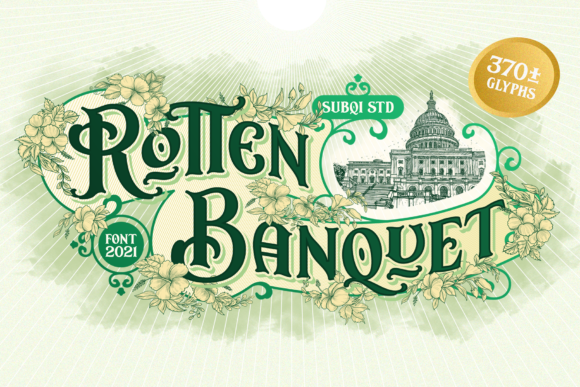
Rotten Banquet is not intended for body copy or lengthy textual passages. Instead, it is classified as a display font, designed to capture attention at larger sizes. Its aesthetic draws heavily from mid-20th-century graphic design trends, incorporating elements that suggest age, decay, and theatrical flair. The letters are bold and heavy, featuring irregular edges and stylized serifs that mimic the look of weathered signage or vintage carnival posters.
The "retro" aspect of its style is deliberate. It evokes a sense of the past, specifically eras where print media relied on striking, high-contrast visuals to communicate messages quickly. However, unlike purely historical revivals, Rotten Banquet adds a layer of modern usability through its clean vector structure. The term "Rotten" in the name suggests a thematic focus on horror, Halloween, or gothic themes, but the design is versatile enough to extend into broader retro contexts, such as diner menus or vintage advertisements.
Technical Accessibility and PUA Encoding
One of the most significant practical advantages of Rotten Banquet is its encoding method. The font utilizes Private Use Area (PUA) encoding. To understand why this matters, it is helpful to look at how standard fonts operate. Typically, a font maps characters to Unicode standards, which can limit the number of available glyphs or require complex ligature substitutions to access alternate characters.
PUA encoding allows the font creator to assign custom glyphs to unused code points within the Unicode block. For Rotten Banquet, this means that all swashes, alternate letterforms, and decorative elements are accessible directly through the keyboard or font panel without needing third-party software or complex scripting. This ease of access is a major benefit for designers who want to experiment with different typographic variations quickly. It reduces the friction between creative intent and execution, allowing for rapid prototyping of designs that require ornate or varied lettering.
Primary Applications and Use Cases
Given its bold and thematic nature, Rotten Banquet is best suited for short bursts of text where legibility is maintained despite the stylistic complexity. Below are several scenarios where this font demonstrates strong utility:
- Food Menus: The font’s retro styling makes it an excellent choice for themed restaurants, particularly those focusing on classic American cuisine, diners, or barbecue joints. The bold weight ensures that menu items stand out, while the quirky character adds personality to the dining experience.
- Event Posters and Flyers: For concerts, festivals, or community events, especially those with a vintage or horror theme, Rotten Banquet provides immediate visual interest. Its ability to command attention makes it ideal for headlines and titles.
- Print Collateral: Business cards, ticket stubs, and promotional flyers can benefit from the font’s distinctive look. The PUA-encoded swashes allow for small touches of elegance or spookiness that elevate simple layouts.
- Social Media Graphics: In digital environments where images need to stop scrolling users, the high contrast and bold lines of Rotten Banquet perform well. It remains readable even at smaller sizes on mobile devices when used for short phrases.
Evaluating Tradeoffs and Limitations
While Rotten Banquet offers distinct advantages, it is not a universal solution. Designers must carefully consider the limitations inherent in any display font.
Legibility Concerns: Due to its decorative nature, the font can be difficult to read in long paragraphs. Using it for body text will likely result in reader fatigue and reduced comprehension. It should always be paired with a simpler, highly legible sans-serif or serif font for supporting text.
Thematic Constraints: The font carries a strong emotional weight. It may feel out of place in corporate communications, medical documents, or minimalist design projects where neutrality and clarity are prioritized. Attempting to use Rotten Banquet in these contexts could undermine the professionalism or seriousness of the message.
Screen Rendering: While generally robust, highly decorative fonts can sometimes suffer from rendering issues on low-resolution screens. Designers should test the font across various devices to ensure that the intricate details remain crisp and do not appear muddy or pixelated.
Comparative Considerations
When evaluating Rotten Banquet, it is useful to compare it against alternatives in the market. If a designer requires a more subtle retro feel, fonts like Bebas Neue or Oswald offer bold, condensed options without the decorative swashes. For horror-specific needs, there are many fonts that lean heavily into gore or distortion, which might be too extreme for some applications. Rotten Banquet strikes a middle ground—it is spooky and old-fashioned without being grotesque.
Another consideration is the availability of weights. Display fonts often come in a single weight, limiting flexibility in creating hierarchy. If a project requires a range of typographic scales, designers may need to rely on color, size, and spacing rather than font weight variations to establish emphasis.
Decision-Making Insights
Selecting the right typeface involves balancing aesthetic goals with functional requirements. Rotten Banquet is a strong candidate for projects that prioritize personality and thematic consistency over neutral communication. It is particularly valuable for designers working in the entertainment, food service, or event planning industries.
To determine if Rotten Banquet is the right fit, consider the following questions:
- What is the primary message? If the goal is to evoke nostalgia, excitement, or intrigue, this font is well-suited. If the goal is to convey factual information clearly and calmly, it may be inappropriate.
- Who is the target audience? Does the audience appreciate vintage aesthetics? A demographic familiar with retro design trends is more likely to respond positively to the font's style.
- How much text is required? If the project involves only headlines and short tags, Rotten Banquet will shine. For longer content, plan to pair it with a complementary typeface.
- Is technical compatibility a concern? Since Rotten Banquet uses PUA encoding, ensure that your design software and printing workflows support custom glyph access. Most modern Adobe Creative Cloud applications handle this seamlessly, but older systems may require additional configuration.
Conclusion
Rotten Banquet stands out as a specialized tool in the designer’s toolkit. Its combination of bold, retro styling and user-friendly PUA encoding makes it a practical choice for specific creative challenges. By understanding its strengths in display contexts and respecting its limitations in body text, designers can leverage its unique character to create memorable visual experiences. Whether for a haunted house attraction, a vintage-style diner menu, or a retro-themed poster, Rotten Banquet offers a reliable way to inject personality and historical flavor into modern design projects.