Mansha: The Versatile Display Font for Modern Design
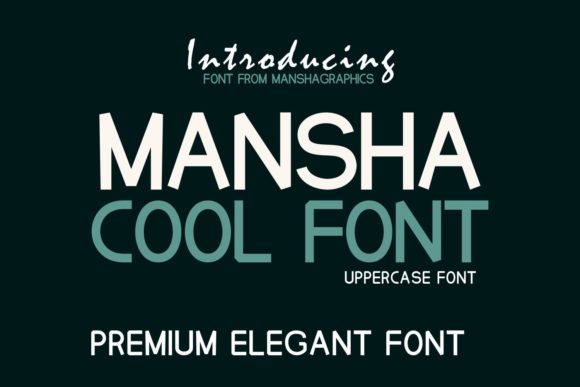
In a digital landscape saturated with generic sans-serifs and overly ornate scripts, finding a typeface that strikes the right balance between personality and readability is a constant challenge. Enter Mansha, a clean, simple, and highly adaptable display font that has quietly become a favorite among designers who value clarity without sacrificing style. It is not just another decorative addition to your toolkit; it is a functional design element that bridges the gap between professional polish and creative flair.
Whether you are crafting intricate wedding invitations, designing high-impact social media graphics, or putting together a corporate presentation, Mansha offers the structural integrity needed to keep your message clear while adding a touch of refined elegance. Its adaptability makes it suitable for a wide range of projects, from small-scale hobbyist endeavors to large-scale commercial campaigns.
Understanding the Appeal of Clean Simplicity
The core strength of Mansha lies in its minimalist architecture. In an era where attention spans are shrinking and visual noise is at an all-time high, simplicity is not just an aesthetic choice—it is a strategic one. This font removes unnecessary flourishes, allowing the content itself to take center stage. However, "simple" does not mean "boring." Mansha possesses subtle character traits in its letterforms that give it a distinct voice, making it feel curated rather than default.
For creators, this means you can rely on Mansha to provide a consistent visual anchor across different mediums. Because it is designed as a display font, it excels in larger sizes where its proportions can breathe. When used for headlines, titles, or key pull-quotes, it commands attention without shouting. For body text, while it may be less ideal for long-form reading due to its display nature, it works beautifully for short captions, labels, or interface elements where brevity is key.
Creative Applications Across Industries
One of the most compelling aspects of Mansha is its chameleon-like ability to fit into various design contexts. Here is how different professionals can leverage its unique qualities:
Event Design and Stationery
Greeting card makers and event planners often struggle to find fonts that look elegant but remain legible when printed on textured paper or scaled down for RSVP cards. Mansha’s clean lines ensure that details like dates, locations, and names are easy to read, even in smaller formats. Imagine a minimalist wedding invitation suite where Mansha is used for the main headers, paired with a delicate script for accents. The contrast creates a sophisticated hierarchy that guides the guest’s eye naturally through the information.
Digital Marketing and Social Media
For marketers and bloggers, visual consistency is crucial for brand recognition. Mansha’s neutral yet stylish tone makes it an excellent choice for building a cohesive brand identity. Use it for:
- Header Text: Create bold, memorable blog post titles that stand out against complex background images.
- Infographics: Label data points clearly without cluttering the visual space.
- Email Campaigns: Ensure subject lines and pre-header text are crisp and professional, increasing open rates by reducing cognitive load.
Presentation and Pitch Decks
Educators, entrepreneurs, and freelancers frequently need to present complex ideas in a digestible format. A cluttered slide deck can undermine the credibility of even the best content. By using Mansha for slide titles and key bullet points, you create a sense of order and professionalism. The font’s adaptability allows it to work well with both light and dark backgrounds, ensuring your slides look polished whether projected in a bright conference room or viewed on a mobile device.
Practical Tips for Using Mansha Effectively
To get the most out of this versatile typeface, consider these practical guidelines that will help you maintain clarity and impact in your designs.
Mastering Hierarchy
Since Mansha is a display font, its primary role is to establish hierarchy. Do not use it for paragraphs of text. Instead, reserve it for headings, subheadings, and call-to-action buttons. Pair it with a highly readable serif or sans-serif font for body copy. This combination leverages the best of both worlds: the personality of Mansha for grabbing attention and the functionality of a standard reading font for sustaining engagement.
Spacing and White Space
Display fonts thrive in environments with ample white space. Avoid cramming Mansha text tightly together. Allow generous letter-spacing (tracking) and line-height (leading) to let the characters breathe. This technique enhances readability and adds a layer of sophistication to your design. In web design, this translates to better user experience, as users can scan content more quickly and comfortably.
Color and Contrast
The simplicity of Mansha makes it incredibly sensitive to color choices. High-contrast combinations, such as black text on a white background or deep navy on cream, will highlight the font’s clean lines. If you opt for colored backgrounds, ensure the text remains legible by adjusting opacity or adding a subtle shadow effect. Remember, the goal is to enhance the message, not distract from it.
Adapting to Different Platforms and Formats
In today’s multi-platform world, a font must perform well across various devices and resolutions. Mansha’s vector-based structure ensures that it scales seamlessly from a tiny mobile screen to a large-format billboard. For digital designers, this means fewer headaches regarding pixelation or rendering issues.
When adapting Mansha for print, consider the medium. On glossy magazine covers, the sharp edges of the font will pop, creating a striking visual impact. On matte business cards, the simplicity ensures that the contact information remains accessible and uncluttered. For textile printing, such as tote bags or apparel, Mansha’s straightforward design translates well, avoiding the muddiness that can occur with overly detailed typefaces.
Building a Cohesive Creative Workflow
Integrating Mansha into your workflow starts with organization. Keep a dedicated folder or library within your design software for this font family. Note down which weights and styles work best for specific projects. For instance, you might find that the Bold weight is perfect for weekend sale banners, while the Regular weight suits everyday blog headers.
Consistency is key to building trust with your audience. When clients or followers recognize your consistent use of Mansha across different touchpoints—from Instagram stories to email newsletters—they begin to associate that clean, reliable aesthetic with your brand. This subconscious association can significantly boost your credibility and engagement rates.
Final Thoughts on Creative Expression
Design is ultimately about communication, and the right tools make that communication clearer and more effective. Mansha stands out as a tool that respects both the designer’s need for style and the viewer’s need for clarity. It does not demand attention through loudness; it earns it through quality and thoughtfulness.
As you explore new projects, experiment with Mansha in unexpected ways. Try using it in all-caps for maximum impact, or mix it with handwritten notes for a personal touch. The possibilities are limited only by your imagination, but the foundation of clean, adaptable design remains solid. By choosing Mansha, you are choosing a path toward designs that are not only visually appealing but also functionally superior, ensuring your message resonates with your audience in a meaningful way.