Gyande Font Review: A Modern Display Typeface for Distinctive Design
In the landscape of digital and print typography, finding a typeface that balances modern aesthetics with functional readability is often a challenge. Many designers struggle to find fonts that are both eye-catching and versatile enough for professional applications. Gyande emerges as a compelling solution in this space, positioning itself as a cool and modern display font designed for creators who need a unique touch without sacrificing legibility or style.
This evaluation explores the practical applications, visual characteristics, and strategic value of Gyande for professionals ranging from web developers to small business owners. By examining its design language and usability, we can determine whether it serves as a valuable asset in your typographic toolkit.
Understanding the Visual Identity of Gyande
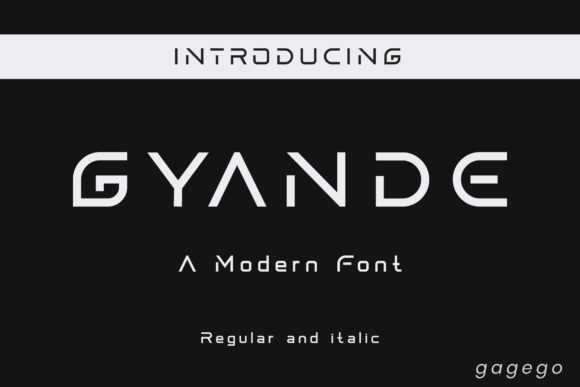
Gyande is classified primarily as a display font. In typography, display typefaces are intended for use at large sizes, such as headlines, posters, logos, and banners, rather than for extended body text. The character of Gyande leans heavily into contemporary trends, offering a sleek, clean, and sophisticated appearance that resonates well with modern brand identities.
The font’s structure is defined by its geometric precision and fluid lines. It avoids the overly ornate or decorative elements that can date quickly, opting instead for a timeless modernism. This makes it particularly suitable for industries that prioritize innovation and clarity, such as technology, fashion, architecture, and creative agencies.
What distinguishes Gyande from other sans-serif options is its subtle personality. While many modern fonts strive for neutrality, Gyande carries a distinct "cool" factor—a term often used in design circles to describe aesthetics that feel current, effortless, and stylish. This quality allows it to act as a visual anchor in designs, drawing attention without overwhelming the viewer.
Key Characteristics and Design Strengths
To understand why Gyande might be selected for a specific project, it is helpful to break down its core design attributes:
- Modern Geometry: The letterforms are constructed with clean lines and consistent stroke weights, providing a sense of stability and professionalism.
- High Legibility: Despite its stylistic flair, Gyande maintains excellent readability. The open counters (the negative space inside letters like 'o' or 'e') ensure that characters remain distinct even at smaller display sizes.
- Versatile Weight Options: Depending on the specific release or variant available, Gyande often includes multiple weights. This flexibility allows designers to create hierarchy within headlines, using bold weights for impact and lighter weights for secondary information.
- Unique Character: The font offers a unique touch that helps brands stand out in crowded markets. It is not a generic system font; it is a deliberate choice that signals design intent.
These characteristics make Gyande an effective tool for establishing brand voice. For instance, a tech startup might use Gyande for its main logo to convey innovation, while a lifestyle blogger might use it for post titles to add a touch of editorial elegance.
Practical Applications in Web and Print Design
The utility of Gyande extends across various media, but its strengths are most evident in specific contexts where visual impact is paramount.
Web Design and User Interfaces
In web design, first impressions are critical. Gyande is ideal for hero sections, navigation menus, and call-to-action buttons. Its modern aesthetic aligns well with minimalist web layouts, which dominate current design trends. When used for headings, it can reduce the need for additional graphical elements, allowing the typography itself to carry the visual weight of the page.
However, as with any display font, caution is advised when considering web implementation. Ensure that the font files are optimized for fast loading times. Using web-safe formats like WOFF2 can help maintain performance while delivering the desired aesthetic. Additionally, always provide fallback fonts in your CSS stack to ensure graceful degradation if Gyande fails to load.
Business Cards and Stationery
For entrepreneurs and freelancers, business cards are a tangible extension of their brand. Gyande shines in this medium because it remains legible at small sizes while still projecting a premium image. A name set in Gyande on a business card can appear more memorable than one set in a standard font like Arial or Times New Roman.
The font’s clean lines work well with ample white space, encouraging a minimalist layout that feels high-end. Consider pairing Gyande with a simple, complementary serif or sans-serif font for contact details to create a balanced typographic contrast.
Marketing Materials and Social Media
In the realm of digital marketing, content must grab attention quickly. Gyande is well-suited for social media graphics, email headers, and promotional banners. Its ability to convey a "unique touch" helps brands differentiate themselves in feed-heavy environments.
When creating graphics for platforms like Instagram or LinkedIn, using Gyande for key phrases can enhance engagement. However, avoid overusing it. Limit its application to headlines or short phrases to maintain its impact. If every word is in a display font, the message loses emphasis.
Evaluating Usability and Workflow Integration
For professionals evaluating Gyande for their workflow, several practical factors come into play beyond mere aesthetics.
Consistency and Reliability
A good font should behave predictably across different software and devices. Gyande generally adheres to standard typographic rules, ensuring that kerning (the spacing between individual characters) and leading (vertical spacing) function as expected in major design tools like Adobe Illustrator, Photoshop, and Figma.
Reliability is also tied to licensing. Before integrating Gyande into client projects or commercial products, verify the license terms. Some fonts offer personal use licenses that restrict commercial application. Understanding these constraints prevents legal issues and ensures ethical use of creative assets.
Flexibility in Branding
One of the strongest arguments for Gyande is its flexibility. It does not pigeonhole a brand into a single niche. While it feels modern, it is not so avant-garde that it becomes alienating. This balance makes it a safe yet distinctive choice for a wide range of industries.
For example, an educator might use Gyande for course titles to make learning materials feel fresh and engaging. A publisher might use it for book covers to signal contemporary relevance. The font adapts to the context, proving its worth as a multi-purpose design tool.
Who Benefits Most from Gyande?
While Gyande has broad appeal, certain user groups will find it particularly valuable:
- Freelance Graphic Designers: Those looking to add a polished, modern element to their portfolio projects will appreciate Gyande’s ability to elevate simple layouts.
- Small Business Owners: Entrepreneurs who handle their own branding can rely on Gyande to create professional-looking materials without needing extensive design expertise.
- Content Creators and Bloggers: Individuals who want their digital presence to reflect a curated, stylish aesthetic will find Gyande useful for headers and featured text.
- Marketing Professionals: Marketers aiming to increase click-through rates through visually appealing ads and emails can leverage Gyande’s strong visual presence.
Potential Limitations and Considerations
No typeface is perfect, and understanding the limitations of Gyande is crucial for making informed decisions.
First, as a display font, it is not suitable for long-form body text. Attempting to read paragraphs set in Gyande can cause eye strain due to the stylized nature of the characters. Always pair it with a highly readable body font, such as a neutral sans-serif or a classic serif.
Second, availability may vary. Depending on where you source Gyande, access to all weights or language support might be limited. Ensure that the version you choose supports the languages required for your audience. For global campaigns, multilingual support is essential.
Finally, trend sensitivity is a consideration. While Gyande is described as "modern," design trends evolve rapidly. A font that feels cutting-edge today may seem dated in five years. However, Gyande’s geometric foundation suggests a degree of timelessness that may mitigate this risk compared to more experimental typefaces.
Conclusion: Is Gyande Right for Your Project?
Gyande represents a thoughtful intersection of style and function. It offers a cool, modern aesthetic that enhances visual communication without compromising clarity. For professionals seeking to add a unique touch to their designs, whether in web interfaces, print collateral, or digital marketing, Gyande provides a reliable and impactful option.
Its strength lies in its versatility and its ability to command attention in display contexts. By integrating Gyande strategically—using it for headlines, logos, and key messages while supporting it with readable body text—you can create designs that are both aesthetically pleasing and effective. As you evaluate your typographic needs, consider how Gyande’s modern character aligns with your brand’s goals and audience expectations. If you aim for a clean, contemporary look that stands out, Gyande is a worthy candidate for your next project.