Evaluating Blackish: A Strategic Look at a Textured Display Typeface for Brand and Event Design
In the landscape of graphic design, typography serves as the voice of visual communication. When selecting a typeface, designers and brand strategists must weigh legibility against aesthetic impact. Blackish has emerged as a notable option in the display font category, characterized by its distinct textured appearance and mysterious aura. This article provides an objective evaluation of Blackish, examining its structural qualities, ideal use cases, and how it compares to broader typographic approaches for events, branding, and artistic projects.
Understanding the Aesthetic Profile of Blackish
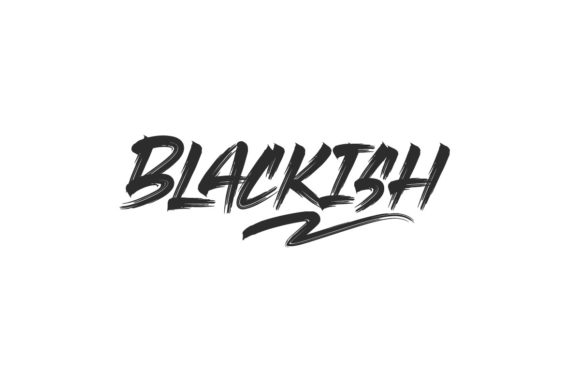
At its core, Blackish is not merely a standard sans-serif or serif font; it is a textured display typeface. The term "display" indicates that this font is optimized for large sizes where detail can be appreciated, rather than for long-form body text. The defining characteristic of Blackish is its surface texture. Unlike smooth, vector-perfect glyphs found in many modern geometric fonts, Blackish incorporates irregularities that mimic organic materials, weathered stone, or hand-carved elements.
This textural quality creates a specific mood. It embodies a mysterious vibe, often associated with themes of antiquity, underground culture, or high-end artisanal craftsmanship. For a designer, this means that every letter carries weight and presence. The font does not sit quietly in the background; it demands attention. This makes it particularly effective for headlines, logos, and poster art where immediate visual impact is the primary goal.
The Role of Texture in Visual Hierarchy
Texture plays a critical role in how users perceive information. In digital and print media, a textured font like Blackish introduces tactile sensations into a visual medium. This can enhance the perceived value of a product or event. For instance, a concert poster using Blackish might suggest a gritty, authentic rock experience, whereas a corporate memo using the same font would likely feel incongruous and difficult to read. Understanding this dichotomy is essential for making informed decisions about when to deploy such a distinctive typeface.
Comparing Blackish to Standard Display Options
When evaluating typography, it is helpful to compare specific choices against general categories. Blackish stands in contrast to two main groups: clean, minimalist sans-serifs and traditional, ornate serifs.
- Minimalist Sans-Serifs: Fonts like Helvetica or Futura prioritize clarity and neutrality. They are invisible vehicles for content. Blackish, conversely, is expressive. If the goal is to communicate data or instructions clearly, Blackish is a poor choice. However, if the goal is to evoke emotion or establish a strong brand personality, Blackish offers advantages that neutral fonts cannot match.
- Ornate Serifs: Traditional serif fonts often rely on intricate flourishes and historical elegance. While they convey sophistication, they can sometimes appear dated or overly formal. Blackish offers a modern twist on complexity through its texture rather than its structure. It feels contemporary yet rooted, bridging the gap between classic elegance and modern edginess.
This comparison highlights that Blackish occupies a niche space. It is not a universal solution but a specialized tool. Its strength lies in its ability to add character without resorting to clichéd decorative styles. For brands seeking to differentiate themselves in a crowded market, this unique positioning can be a significant asset.
Ideal Use Cases and Applications
Given its bold and textured nature, Blackish excels in contexts where atmosphere is paramount. Below are specific scenarios where this typeface proves most effective.
Event Marketing and Signage
Events such as music festivals, theater productions, and gallery openings require marketing materials that capture the essence of the experience quickly. Blackish’s mysterious vibe aligns well with genres like noir, jazz, experimental art, or indie music. On signage, the texture helps the lettering stand out from busy backgrounds, provided there is sufficient contrast. For example, a black background with white textured letters using Blackish can create a striking, high-contrast visual that is both readable and atmospheric.
Branding and Logo Design
In logo design, simplicity is often prized, but uniqueness is equally important. Blackish can serve as a powerful logotype for businesses that want to project an image of depth, history, or exclusivity. Think of craft breweries, boutique hotels, or artisanal jewelry makers. The font’s texture suggests handmade quality and attention to detail. However, designers must ensure that the logo remains scalable. At very small sizes, the texture may become muddy, reducing legibility. Therefore, Blackish is best used for primary brand marks that will primarily appear at larger scales.
Stationery and Print Collateral
For high-end stationery, such as wedding invitations or business cards, texture adds a layer of physical engagement. When printed on heavy stock paper, the textured letters of Blackish can interact with the paper grain, enhancing the tactile experience. This is particularly relevant for "crafty ideas" and bespoke design projects where the physical object is part of the brand story. The font elevates simple layouts, turning a standard invitation into a keepsake.
Tradeoffs and Limitations
No single typeface is suitable for every task. Recognizing the limitations of Blackish is crucial for avoiding design missteps.
Legibility Challenges: The primary tradeoff of using a textured font is reduced readability, especially in smaller sizes or dense paragraphs. Using Blackish for body text is generally discouraged. It should be reserved for short bursts of text—headlines, titles, and captions. Long passages set in Blackish will fatigue the reader, causing them to disengage with the content.
Versatility Constraints: Blackish has a strong point of view. It may clash with other design elements that are too busy or conflicting in style. For instance, pairing it with a highly colorful, chaotic background can result in visual noise. Successful integration requires careful balancing. Designers often pair Blackish with clean, neutral sans-serifs for secondary information, allowing the textured font to shine while maintaining overall hierarchy.
Digital Rendering Issues: On low-resolution screens, the fine textures of Blackish may pixelate or blur. This is a consideration for web design. While it works well for hero banners and large display headings on websites, it is less suitable for navigation menus or button labels where crispness is essential. Testing the font across various devices and screen densities is a necessary step before final deployment.
Decision Factors: When to Choose Blackish
Selecting a typeface is a strategic decision based on project goals. Consider the following factors to determine if Blackish is the right fit.
- Brand Personality: Does your brand value mystery, authenticity, and artistic flair? If so, Blackish aligns with these traits. If your brand prioritizes transparency, speed, or minimalism, look elsewhere.
- Scale of Usage: Will the font be used primarily in large formats? Posters, billboards, and packaging headers are ideal. If the font needs to function in small print or mobile interfaces, a more standard typeface is advisable.
- Contextual Fit: Is the design environment competitive? In a sea of clean, corporate designs, Blackish can help a brand stand out. However, in a context requiring uniformity and strict adherence to guidelines (such as internal documentation), its uniqueness may be a liability.
Conclusion on Suitability
Blackish is a stunning textured display font that offers a unique alternative to conventional typographic choices. Its mysterious vibe and artisanal feel make it a powerful tool for events, artistic designs, branding, logos, and stationery. By understanding its strengths in creating atmosphere and its limitations in legibility and scalability, designers can make informed decisions that enhance their projects.
For those exploring alternatives, the key is to evaluate the specific needs of the project. If the goal is to create a memorable, emotionally resonant visual identity, Blackish deserves serious consideration. However, it should always be part of a broader typographic system that includes more functional fonts for supporting text. This balanced approach ensures that the aesthetic appeal of Blackish is leveraged effectively without compromising the clarity and usability of the final design.
Ultimately, typography is about communication. Blackish communicates a specific message—one of depth, texture, and intrigue. When that message aligns with the intent of the project, it becomes an invaluable resource in the designer’s toolkit. As you evaluate your options, keep in mind that the best typeface is not necessarily the most popular one, but the one that best serves the narrative of your work.