Twenties Fashion: Elevating Your Designs Beyond the Surface
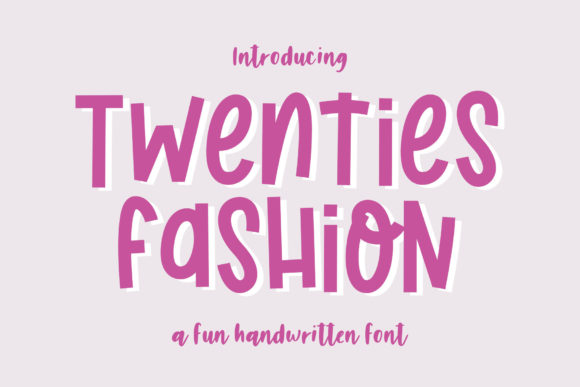
When you are looking to add a touch of vintage glamour to your projects, Twenties Fashion often comes up as a top contender. It is not just another typeface; it is a fun, friendly, and chic display font that captures the essence of the Roaring Twenties without feeling like a costume party prop. Whether you are a seasoned graphic designer, a small business owner creating brand identities, or a hobbyist making handmade cards, this font offers a versatile toolkit for visual storytelling.
However, choosing the right typography is about more than just picking something that looks "old-fashioned." There are specific nuances to using display fonts effectively. Many creators make the mistake of overusing decorative typefaces, leading to designs that feel cluttered or hard to read. This article explores how to integrate Twenties Fashion into your work intelligently, avoiding common pitfalls while maximizing its aesthetic potential.
Understanding the Appeal of Art Deco-Inspired Typography
The early 20th century was a period of significant artistic evolution, characterized by geometric shapes, bold lines, and luxurious aesthetics. Twenties Fashion taps into this heritage. Its design features clean curves and structured forms that evoke elegance and sophistication. This makes it particularly effective for branding in industries such as fashion, beauty, hospitality, and event planning.
For beginners, the appeal lies in its immediate impact. You do not need complex design skills to make a statement with this font. For professionals, the value lies in its adaptability. It can serve as a headline anchor or a subtle accent depending on how it is paired with other elements. The key is recognizing that it is a display font, meaning it is designed to be seen, not necessarily to be read in long paragraphs.
Where Misunderstandings Often Occur
A frequent error among new users is assuming that any stylish font works for any purpose. While Twenties Fashion is charming, it lacks the legibility required for body text. Using it for lengthy descriptions on a website or a brochure can frustrate readers and reduce engagement. Additionally, some designers overlook the importance of contrast. Pairing this font with another busy, decorative typeface can create visual noise, causing the message to get lost.
Another overlooked detail is the context of application. A font that looks stunning on a digital screen might render poorly when printed on certain materials, especially if the resolution is low or the ink spread is too wide. Understanding these limitations helps prevent costly reprints and unsatisfactory results.
Practical Applications: From Cards to Branding
The versatility of Twenties Fashion allows it to shine across various mediums. Here is how different user groups can leverage its strengths:
- Crafters and Hobbyists: Use it for wedding invitations, birthday cards, or scrapbook titles. The font’s friendly nature ensures it feels welcoming rather than stiff. Combine it with gold foil effects or textured paper to enhance the vintage vibe.
- Small Business Owners: For labels on artisanal products like soaps, candles, or baked goods, this font adds a premium feel. It suggests quality and attention to detail. Ensure the label size is large enough to maintain readability.
- Marketers and Bloggers: Use it sparingly for headers or pull quotes. It can break up monotony in blog posts and draw attention to key takeaways. Avoid using it for navigation menus or footers where clarity is paramount.
- Educators: Create engaging worksheets or certificates. The font’s playful yet structured look can make educational materials feel special and celebratory.
Avoiding Common Pitfalls in Design Execution
To get the best outcome from Twenties Fashion, you must approach it with intention. Here are practical tips to avoid common mistakes:
- Maintain Hierarchy: Always pair Twenties Fashion with a simpler, sans-serif or serif font for supporting text. This creates a clear visual hierarchy. Let the display font grab attention, and let the secondary font handle the information delivery.
- Check Spacing (Kerning): Display fonts often require manual adjustment of letter spacing. Tight kerning can make letters collide, while loose kerning can make them fall apart. Take the time to adjust the space between characters, especially for short words or acronyms.
- Consider Color Contrast: A light-colored font on a white background will disappear. Ensure sufficient contrast between the text and the background. Darker shades of the font or contrasting background colors improve legibility significantly.
- Respect the Medium: If printing, check your printer’s capabilities. Fine details in the font might get lost if the print quality is poor. For web use, ensure the font file is optimized for fast loading times.
Evaluating Quality and Licensing
Before downloading or purchasing Twenties Fashion, it is crucial to verify the source. Not all font providers offer the same level of quality assurance. Look for vendors who provide high-resolution previews and detailed licensing terms. Commercial use requires a specific license, while personal use may have different restrictions. Ignoring these details can lead to legal issues or unexpected costs.
Furthermore, examine the font’s weight variations. Does it come in multiple styles (e.g., regular, bold, italic)? Having options allows for greater flexibility in design. A single-weight font limits your ability to create emphasis or distinction within a layout.
Final Thoughts on Creative Confidence
Incorporating Twenties Fashion into your projects is an opportunity to blend nostalgia with modern design principles. By understanding its characteristics and respecting its limitations, you can create pieces that are both visually striking and functionally effective. Remember, good design is about balance. Let the font do what it does best—add character and charm—while ensuring the overall message remains clear and accessible.
Experiment with layouts, play with combinations, and trust your creative instincts. When used correctly, Twenties Fashion will elevate your creations, leaving a lasting impression on your audience. Whether you are crafting a simple greeting card or launching a brand identity, this font offers a chic and reliable way to express your unique style. Embrace its potential, avoid the common traps, and watch your designs transform.