Discover Fuji: A Unique Japanese-Inspired Display Font
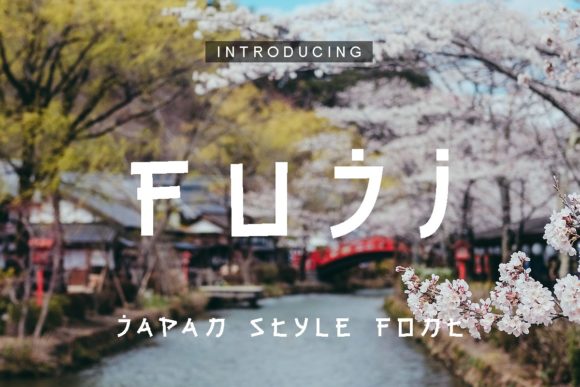
Typography is more than just selecting letters to fill a page; it is about setting a mood, guiding the eye, and communicating a brand’s personality before a single word is read. In a world saturated with standard sans-serifs and rigid serifs, finding a typeface that truly stands out can be a challenge. This is where Fuji comes in. As an incredibly unique, Japanese-inspired display font, Fuji offers a visual experience that is both modern and deeply rooted in traditional aesthetics. Whether you are designing a high-end restaurant menu, a vibrant event poster, or a minimalist flyer, this font provides a distinct character that commands attention.
If you are looking to elevate your design projects with something that feels authentic yet contemporary, exploring Fuji is a step in the right direction. Its versatility allows it to adapt to various contexts while maintaining its core identity. Let’s dive into what makes this typeface special, how it can solve specific design problems, and why it might be the perfect addition to your creative toolkit.
What Makes Fuji Stand Out?
At first glance, Fuji captures the essence of Japanese calligraphy without being overly ornate or difficult to read. The term "display font" indicates that it is designed to be used at larger sizes, making it ideal for headlines, titles, and short phrases rather than body text. However, Fuji strikes a delicate balance between artistic flair and legibility. The strokes often mimic the fluidity of brushwork, yet they retain a clean, structured geometry that appeals to modern sensibilities.
The appeal of Fuji lies in its ability to evoke a sense of place and culture. It brings the tranquility and precision associated with Japanese design principles—such as minimalism, balance, and negative space—into your digital or print layouts. For designers, this means you don’t need to rely on clichéd imagery to convey an Asian theme; the typography itself does the heavy lifting. It adds depth and narrative to your work, transforming a simple headline into a visual statement.
Key Characteristics of the Typeface
- Brush-like Stroke Variations: The font features dynamic thickness changes that simulate the pressure of a real brush, adding organic energy to static text.
- Clean Geometry: Despite its artistic roots, the underlying structure is precise, ensuring that the letters remain sharp and professional.
- Versatile Weight Options: Many variations of Fuji offer multiple weights, allowing for strong hierarchy in your designs.
- Cultural Resonance: It subtly references traditional East Asian aesthetics without feeling dated or stereotypical.
Where Can You Use Fuji?
One of the most common questions beginners ask is, "Where does this font actually fit?" Because Fuji is a display font, its applications are somewhat specialized but highly impactful. It shines brightest when used sparingly to create focal points. Here are some realistic scenarios where Fuji can transform your projects.
Food Menus and Hospitality
As mentioned in its description, Fuji looks stunning on any food menu. Imagine a sushi bar, a ramen shop, or a fusion cuisine restaurant. Using Fuji for the section headers (like "Appetizers," "Sashimi," or "Chef's Special") instantly communicates the culinary theme. It pairs beautifully with clean, sans-serif fonts for the actual descriptions and prices, creating a sophisticated contrast. The font adds warmth and authenticity, making customers feel like they are stepping into an authentic establishment.
Posters and Flyers
For event posters, concert flyers, or promotional materials, visibility is key. Fuji’s bold presence ensures that your main message is seen from a distance. Whether you are promoting a cultural festival, a yoga retreat, or a tech conference with an Asian influence, Fuji provides a memorable anchor for your design. Its unique style helps your material stand out in a crowded feed or physical bulletin board.
Branding and Packaging
Small business owners and entrepreneurs often struggle to define their brand voice visually. If your product has an artisanal, handcrafted, or exotic angle, Fuji can serve as a powerful logo element or packaging accent. Think of tea brands, skincare products with natural ingredients, or fashion lines inspired by minimalism. The font conveys quality and care, suggesting that the product behind it is thoughtfully made.
Who Should Consider Using Fuji?
You don’t need to be a professional graphic designer to appreciate the power of good typography. Fuji is accessible to a wide range of users, each bringing their own goals to the table.
- Bloggers and Content Creators: If you write about travel, food, or culture, using Fuji in your featured images or headers can enhance your visual storytelling.
- Social Media Marketers: Creating eye-catching Instagram stories or Pinterest pins? Fuji can help your graphics pop and increase engagement rates.
- Educators: Teachers designing worksheets, certificates, or classroom decorations can use Fuji to make learning materials more engaging and visually appealing.
- Hobbyists and Crafters: For those who print labels for homemade goods or create custom invitations, Fuji adds a touch of elegance and uniqueness.
Practical Tips for Working with Display Fonts
While Fuji is versatile, it requires thoughtful application to look its best. Here are some practical observations to keep in mind as you start using it in your designs.
Pairing is Crucial
Because Fuji is so expressive, it should not compete with other busy elements. Pair it with neutral, understated fonts for supporting text. A simple geometric sans-serif or a classic serif works well because it doesn’t distract from the character of Fuji. Think of Fuji as the lead singer and the pairing font as the backing band—they complement each other without fighting for attention.
Whitespace is Your Friend
Japanese design often emphasizes negative space. Give your Fuji headlines room to breathe. Avoid cramming them tightly against other text or images. Generous margins and padding will allow the intricate details of the font to be appreciated, enhancing the overall aesthetic quality of your layout.
Context Matters
Consider the tone of your project. Fuji works well for themes related to nature, tradition, wellness, and creativity. It might feel out of place in a highly technical manual or a corporate financial report where clarity and neutrality are paramount. Always ask yourself if the font supports the message you are trying to convey.
Final Thoughts on Exploring Fuji
In conclusion, Fuji is more than just a font; it is a tool for expression. It bridges the gap between traditional artistry and modern design needs, offering a solution for anyone looking to add a touch of Japanese-inspired elegance to their work. Whether you are a seasoned pro refining a client’s brand identity or a beginner experimenting with your first poster, Fuji invites you to explore its endless possibilities.
By integrating this unique typeface into your projects, you not only improve the visual appeal but also communicate a deeper sense of purpose and style. So, download your copy, open your design software, and see how Fuji can transform your ideas into stunning reality. The potential is there, waiting for you to discover it.