Clayden: A Playful Display Font for Creative Projects
In the vast landscape of digital typography, finding a typeface that balances whimsy with professional polish can be a challenge. Many display fonts lean too heavily into caricature, sacrificing legibility for novelty, while others remain so conservative they fail to capture attention. Clayden occupies a distinct middle ground. It is a playful and fun display font designed to bring energy to visual communication without overwhelming the viewer. Whether you are a graphic designer crafting a brand identity, an educator preparing classroom materials, or a small business owner designing social media graphics, Clayden offers a versatile tool for adding character to your work.
This evaluation explores the practical applications, aesthetic qualities, and functional strengths of Clayden. By examining its design characteristics and real-world usability, we can determine how it fits into various creative workflows and who might benefit most from incorporating it into their projects.
Understanding the Design Character of Clayden
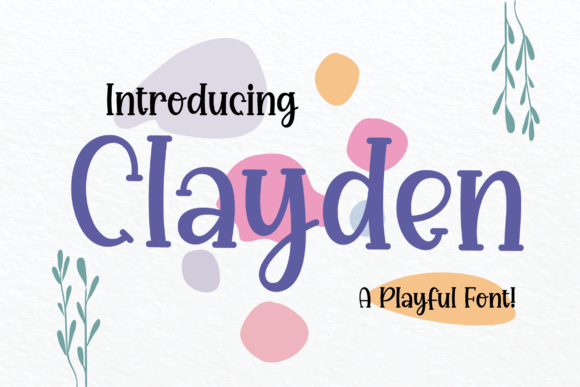
At its core, Clayden is defined by its approachable and lively personality. The letterforms exhibit a hand-drawn quality that suggests warmth and accessibility. Unlike rigid geometric sans-serifs or formal serif faces, Clayden feels organic. This organic nature makes it particularly effective in contexts where human connection and friendliness are prioritized over strict formality.
The font’s playful nature does not come at the expense of clarity. The characters are well-proportioned, ensuring that even at smaller sizes, the text remains readable. However, as a display font, its primary strength lies in larger point sizes. When used for headlines, titles, or short phrases, Clayden commands attention. Its unique shapes create a visual rhythm that guides the eye across the page, making it an excellent choice for capturing interest in crowded digital feeds or printed materials.
One of the key features of Clayden is its versatility across different mediums. Because it mimics the feel of hand-lettering or marker strokes, it adds a tactile dimension to digital designs. This is particularly valuable in an era where consumers are increasingly drawn to authentic, handmade aesthetics in marketing and branding. The font bridges the gap between digital precision and analog charm, offering designers a way to inject personality into otherwise sterile layouts.
Practical Applications and Use Cases
Given its specific aesthetic, Clayden is not a one-size-fits-all solution. It shines brightest in scenarios where a lighthearted tone is desired. Below are several practical applications where this font demonstrates significant value.
- Greeting Cards and Stationery: The playful curves of Clayden make it ideal for personal messages. Whether designing birthday cards, holiday greetings, or thank-you notes, the font conveys sincerity and joy. Its informal style helps the recipient feel a personal connection to the sender.
- Digital Presentations: For educators, trainers, and corporate presenters, breaking up dense slides with engaging visuals is crucial. Using Clayden for slide titles or key takeaways can refresh the visual hierarchy and keep the audience engaged. It prevents presentations from looking like standard templates, adding a layer of creativity that reflects well on the presenter.
- Social Media Graphics: In the fast-paced environment of social media, static images need to stop the scroll. Clayden’s distinctive look stands out against more common sans-serif backgrounds. It is particularly effective for quotes, announcements, and promotional posts where a friendly brand voice is essential.
- Crafting and DIY Projects: For hobbyists using cutting machines like Cricut or Silhouette, Clayden provides clear, clean lines that reproduce well on physical materials. Its design translates effectively to vinyl decals, t-shirt prints, and paper crafts, making it a favorite among crafters looking to add a custom touch to their creations.
- Educational Materials: Teachers often seek fonts that are both engaging and easy for students to read. Clayden’s rounded forms and open counters can aid early literacy by resembling letters children learn to write by hand. It is a suitable choice for worksheets, classroom posters, and educational apps aimed at younger audiences.
Strengths and Usability Considerations
When evaluating any typeface, it is important to look beyond initial impressions and consider long-term usability. Clayden offers several strengths that contribute to its effectiveness as a design asset.
Consistency and Legibility: One of the common pitfalls of decorative fonts is inconsistency in weight or spacing. Clayden maintains a relatively consistent stroke width and spacing, which ensures that paragraphs of text (if used sparingly) do not become visually fatiguing. While it is best reserved for short bursts of text, when used correctly, it holds up well under scrutiny.
Flexibility in Pairing: A good display font should complement other typefaces rather than compete with them. Clayden pairs well with simple, neutral sans-serifs or clean serifs. Using a straightforward body font allows the headline in Clayden to take center stage without creating visual clutter. This flexibility makes it easier for designers to integrate it into existing brand guidelines or new project structures.
Emotional Resonance: Typography is not just about reading; it is about feeling. Clayden evokes emotions of happiness, creativity, and informality. This emotional resonance can be leveraged strategically in marketing campaigns targeting families, children, or communities focused on leisure and hobbies. By aligning the font’s personality with the brand’s values, designers can create a more cohesive and impactful message.
However, there are limitations to consider. Due to its decorative nature, Clayden may not be appropriate for formal documents, legal contracts, or serious news reporting. Overusing it in body text can reduce readability and detract from the content’s authority. Designers must exercise restraint, using Clayden as an accent rather than a primary text font. Additionally, because it is a specialized display font, it may not have the extensive language support or OpenType features found in more comprehensive type families. Users should check the available glyphs to ensure they meet the linguistic needs of their project.
Who Benefits Most from Clayden?
While almost anyone interested in design can appreciate Clayden, certain groups will find it particularly useful. Freelancers and solo entrepreneurs often lack large design teams, so having access to a single, versatile font that can handle multiple roles—headline, logo accent, and decorative element—is invaluable. It reduces the complexity of font pairing decisions and speeds up the workflow.
Marketers and bloggers looking to differentiate their content will also benefit. In a saturated online marketplace, unique visual elements help brands stand out. Clayden provides that uniqueness without requiring advanced illustration skills. Educators and parents involved in homeschooling or classroom decoration can use it to create engaging learning environments that feel inviting rather than institutional.
For serious hobbyists in the crafting community, Clayden offers a professional finish to homemade goods. It elevates simple projects, allowing individuals to produce items that look store-bought yet retain a personal touch. This combination of professionalism and personalization is hard to achieve with generic clip art or basic system fonts.
Conclusion
Clayden is more than just a pretty face in the world of typography; it is a functional tool designed to enhance communication through playfulness and charm. Its ability to convey warmth and approachability makes it a strong candidate for projects aiming to connect with audiences on a personal level. From greeting cards to digital presentations, its applications are diverse and practical.
By understanding its strengths and limitations, designers and creators can use Clayden effectively to elevate their work. It serves as a reminder that typography is not merely a vehicle for words but a vital component of visual storytelling. When used with intention and restraint, Clayden can add a spark of joy and creativity to any project, proving that even in professional settings, a little fun goes a long way.